

Standard GNSS tells you which road you are on. RTK tells you which wheel rut. This page explains how real-time kinematic positioning works, why the antenna is the component that most often decides whether you achieve centimetre accuracy in the field, and how to choose or specify an RTK antenna for your product.
Synzen designs RTK helical antennas in Taiwan, and works with customers to integrate, optimise and validate them in real products. If you are evaluating suppliers or replacing an existing antenna, start here.
Real-time kinematic (RTK) positioning is a technique that improves standard GPS and GNSS accuracy from metres to centimetres. A stationary base station at a known location measures the errors in satellite signals as they arrive, then transmits RTK corrections to a moving receiver, the rover. Because the rover works with the carrier phase of the satellite signal rather than only the coded message, it can resolve its position to within one or two centimetres in real time.
That precision is what makes possible a drone that maps a construction site to survey grade, a tractor that steers itself within the same wheel marks season after season, a robotic mower that respects an invisible boundary, and a surveyor's rover pole that replaces a day of traditional measurement with an hour.
RTK is unforgiving of weak links. The receiver can only resolve carrier phase reliably if the signal reaching it is clean, stable and consistent. That is the antenna's job, and it is why antenna selection matters more in RTK than in any other GNSS application.

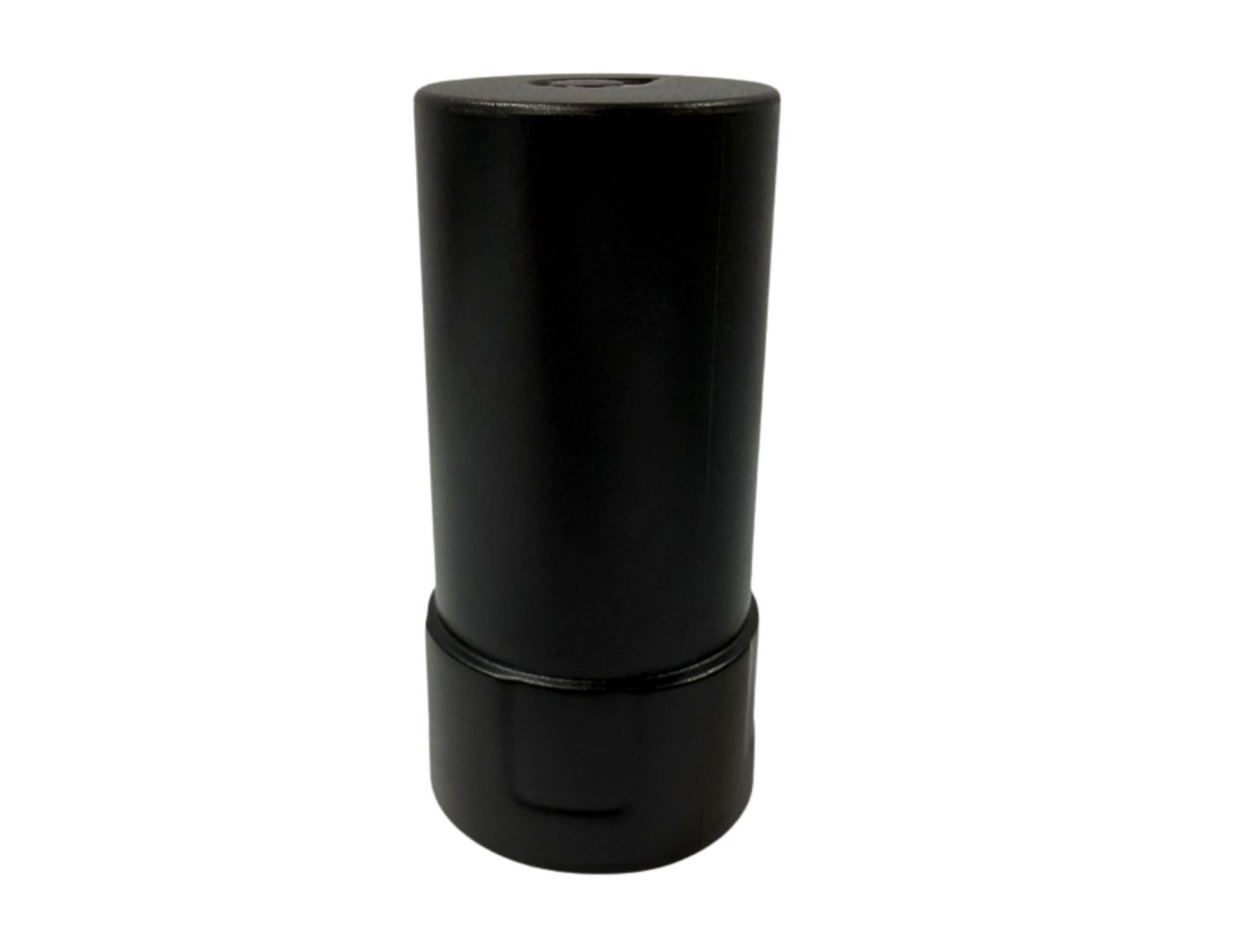
SZA-N-5G49
Active GNSS Helical
1164 - 1278; 1525 – 1615 MHz
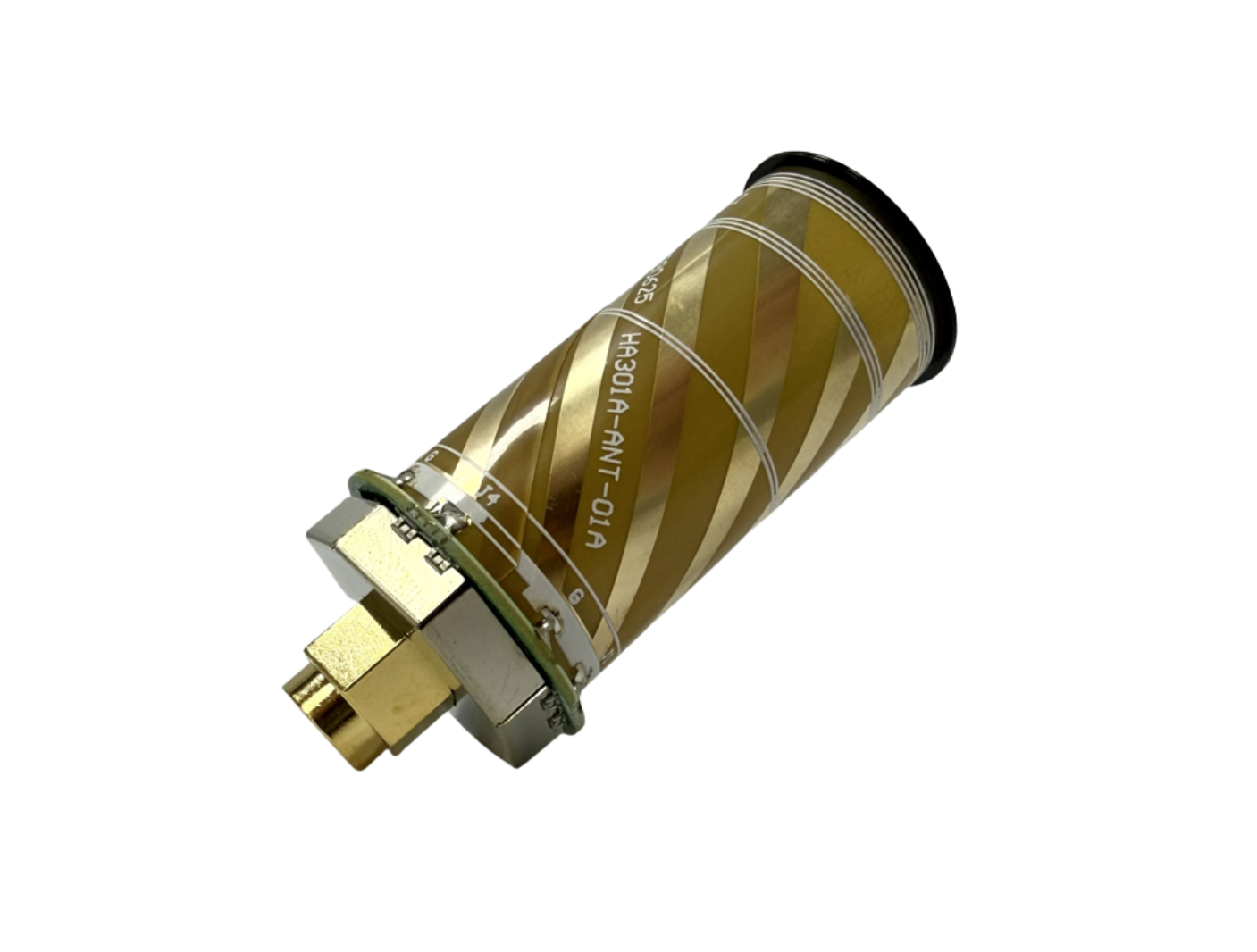
CZ0068-6G01
Active GNSS Helical
1164 - 1278; 1525 – 1615 MHz
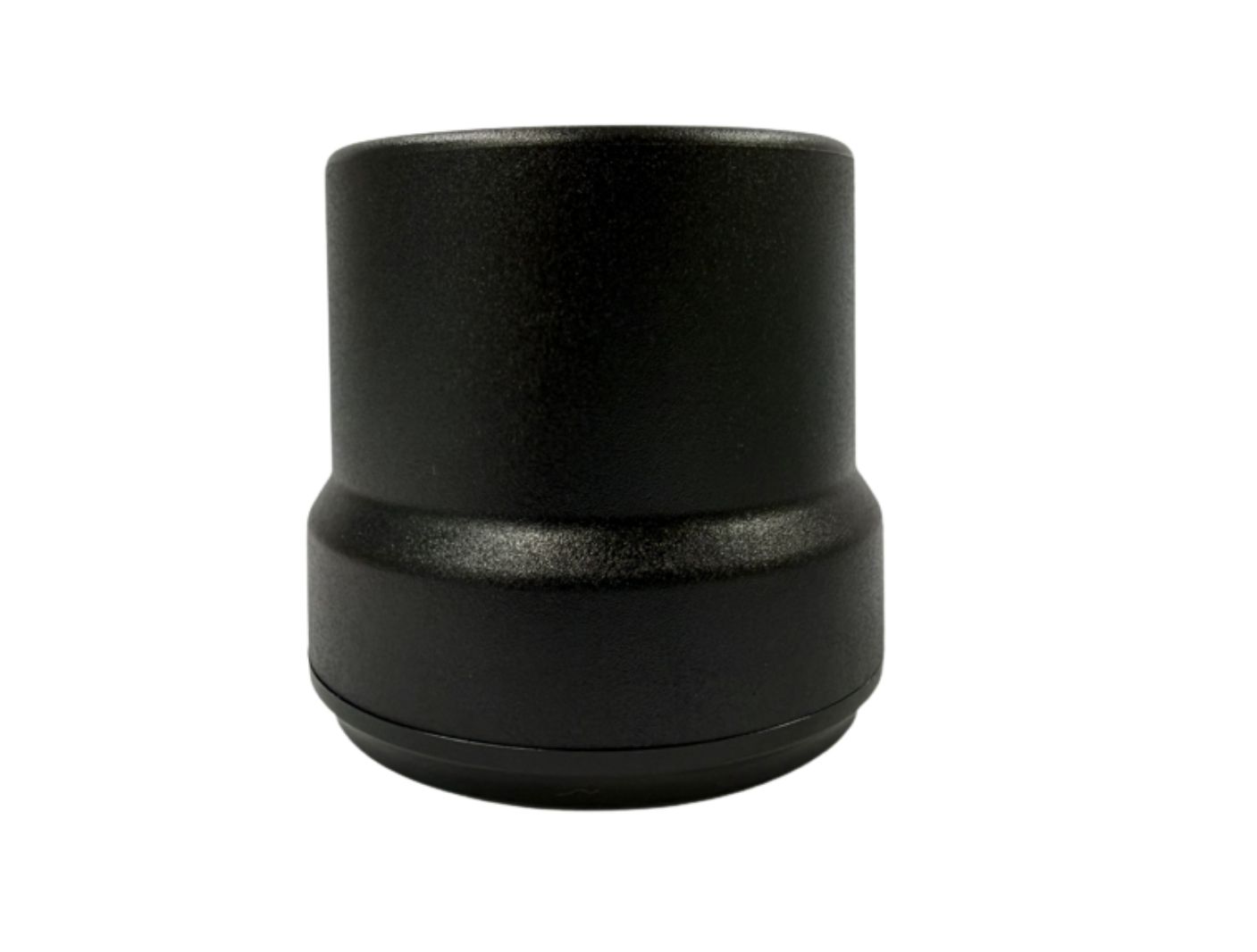
SZA-N-5G51
Active GNSS Helical
1164 - 1278; 1525 – 1615 MHz
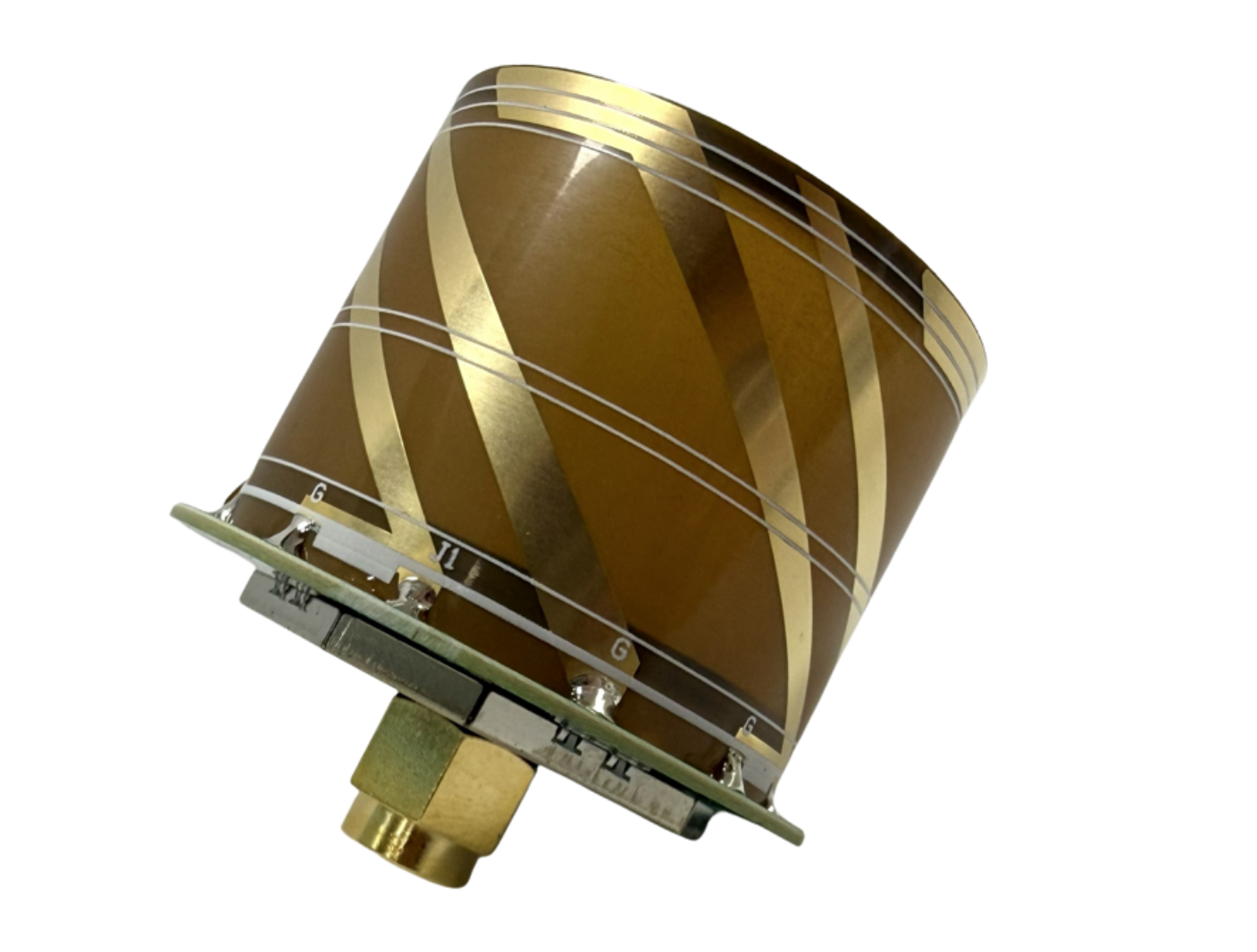
CZ0069-6G01
Active GNSS Helical
1164 - 1278; 1525 – 1615 MHz

Four antenna characteristics separate an RTK-grade antenna from an ordinary GNSS antenna.
The phase centre is the point in space where the antenna effectively receives the signal. If it moves as satellites change elevation and azimuth, that movement appears in your position solution as error. RTK-grade antennas are designed so the phase centre stays put, within millimetres, across the whole sky. This parameter, more than any other on a datasheet, separates antennas designed for centimetre positioning from antennas that simply receive GNSS signals.
Signals that bounce off the ground, buildings or the vehicle itself arrive late and corrupt the carrier phase measurement. An RTK antenna needs strong rejection of these reflected, reverse-polarised signals. This is measured by axial ratio: the closer to 0 dB, the better the antenna distinguishes a direct signal from a reflection. The figure matters across the whole operating elevation range, not only at zenith, where every antenna looks its best.
The satellites that improve your position geometry most are often the ones near the horizon, and they are the hardest to receive. An antenna that holds gain and polarisation purity at low elevation angles fixes faster and stays fixed in difficult environments such as urban canyons and treelined field edges.
The low noise amplifier must add as little noise as possible while rejecting out-of-band interference, particularly from cellular bands adjacent to GNSS frequencies. On a drone or robot, the antenna also has to coexist with the platform's own radios, which makes filtering a system design question rather than a datasheet line.
Contact Us
Please fill in the short form below for any enquiries.