

Products / GNSS RTK Antennas

Real-time kinematic (RTK) positioning is a technique that improves standard GPS and GNSS accuracy from metres to centimetres. A stationary base station at a known location measures the errors in satellite signals as they arrive, then transmits RTK corrections to a moving receiver, the rover. Because the rover works with the carrier phase of the satellite signal rather than only the coded message, it can resolve its position to within one or two centimetres in real time.
That precision is what makes possible a drone that maps a construction site to survey grade, a tractor that steers itself within the same wheel marks season after season, a robotic mower that respects an invisible boundary, and a surveyor's rover pole that replaces a day of traditional measurement with an hour.
RTK is unforgiving of weak links. The receiver can only resolve carrier phase reliably if the signal reaching it is clean, stable and consistent. That is the antenna's job, and it is why antenna selection matters far more in RTK than in ordinary navigation.
Multi-band reception across GPS, GLONASS, Galileo and BeiDou is the entry requirement for RTK, and the AQUILA family is built around it. Housed variants for external mounting, enclosure-free variants for embedded OEM integration, and the family will continue to grow, with two further models on the way.
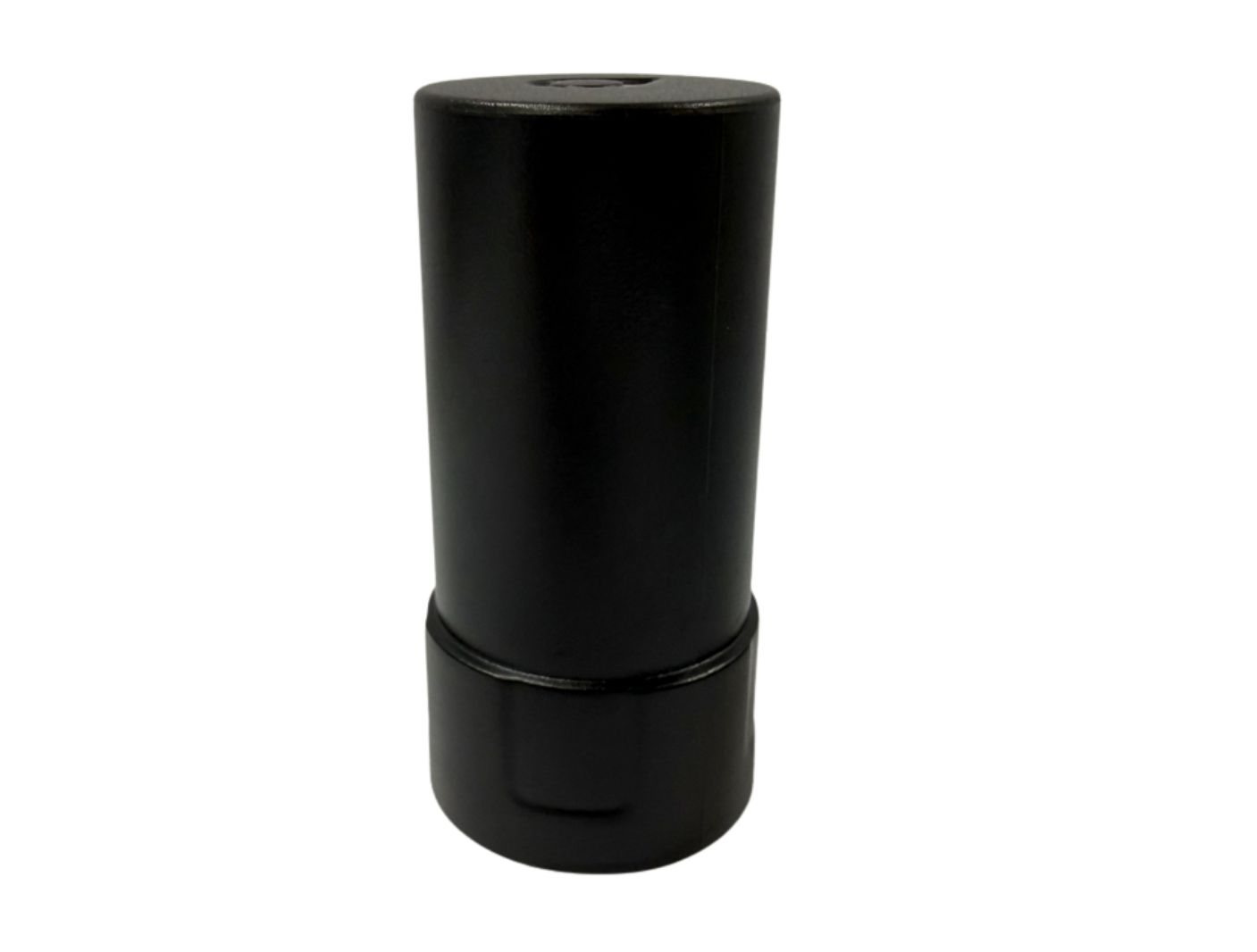
SZA-N-5G49
Active GNSS helical, 1164 - 1278; 1525 - 1615 MHz. IP67 housed, 55.6 mm, 33 dB LNA.
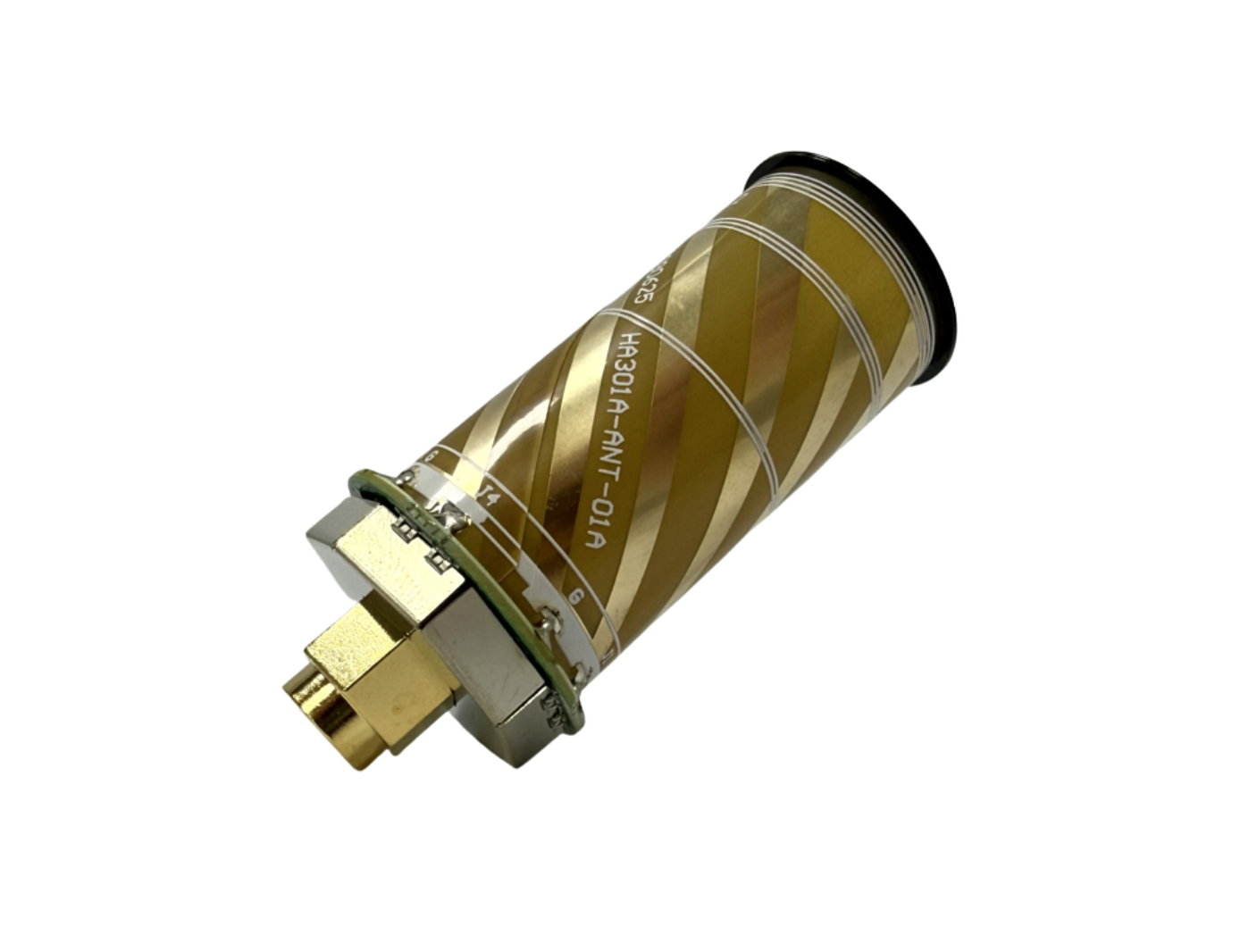
CZ0068-6G01
The same helical, enclosure-free for embedded OEM integration inside your own housing.
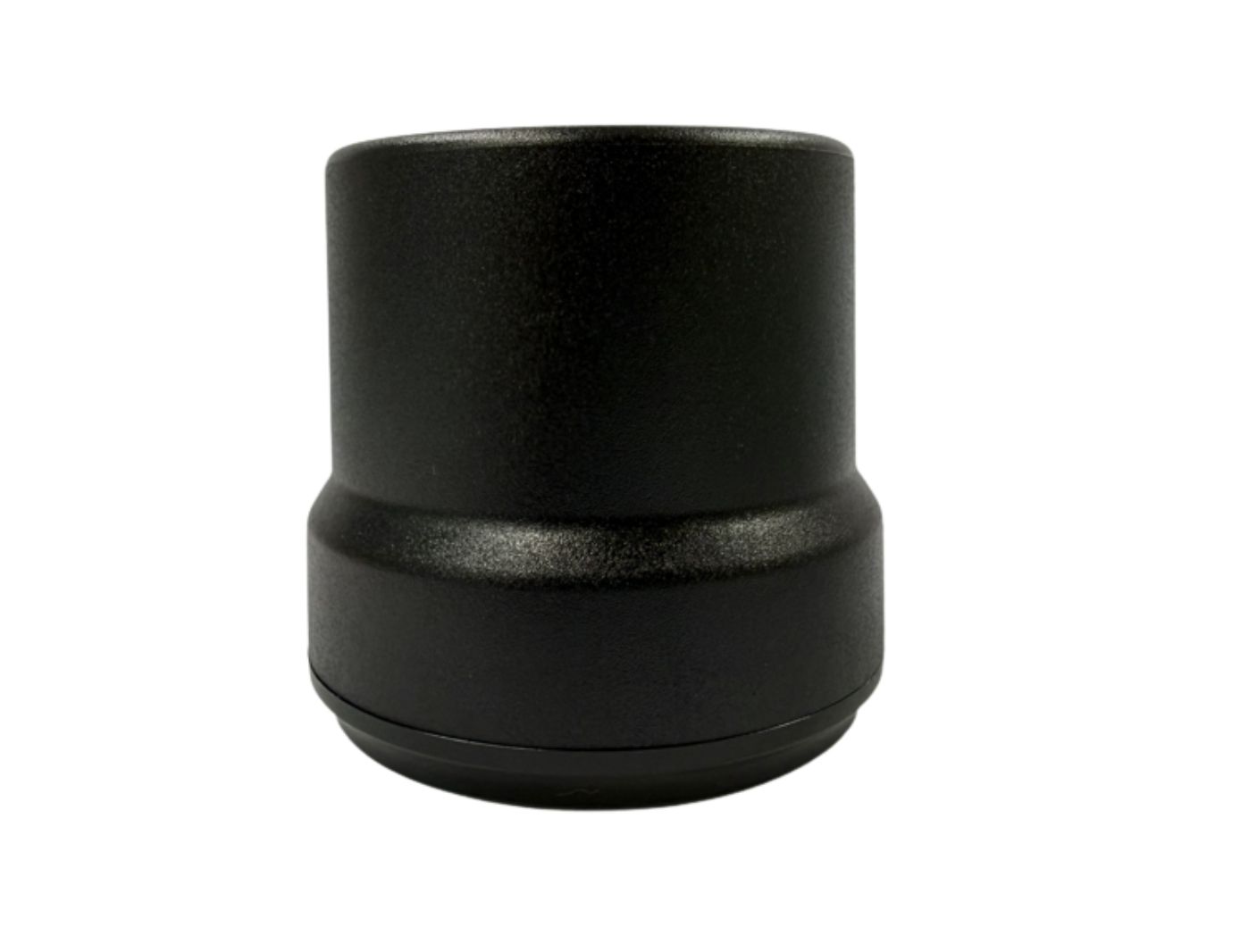
SZA-N-5G51
Compact 40.8 x 43.5 mm active helical for weight-critical designs. SMA, RoHS compliant, 35 dB typical LNA gain.
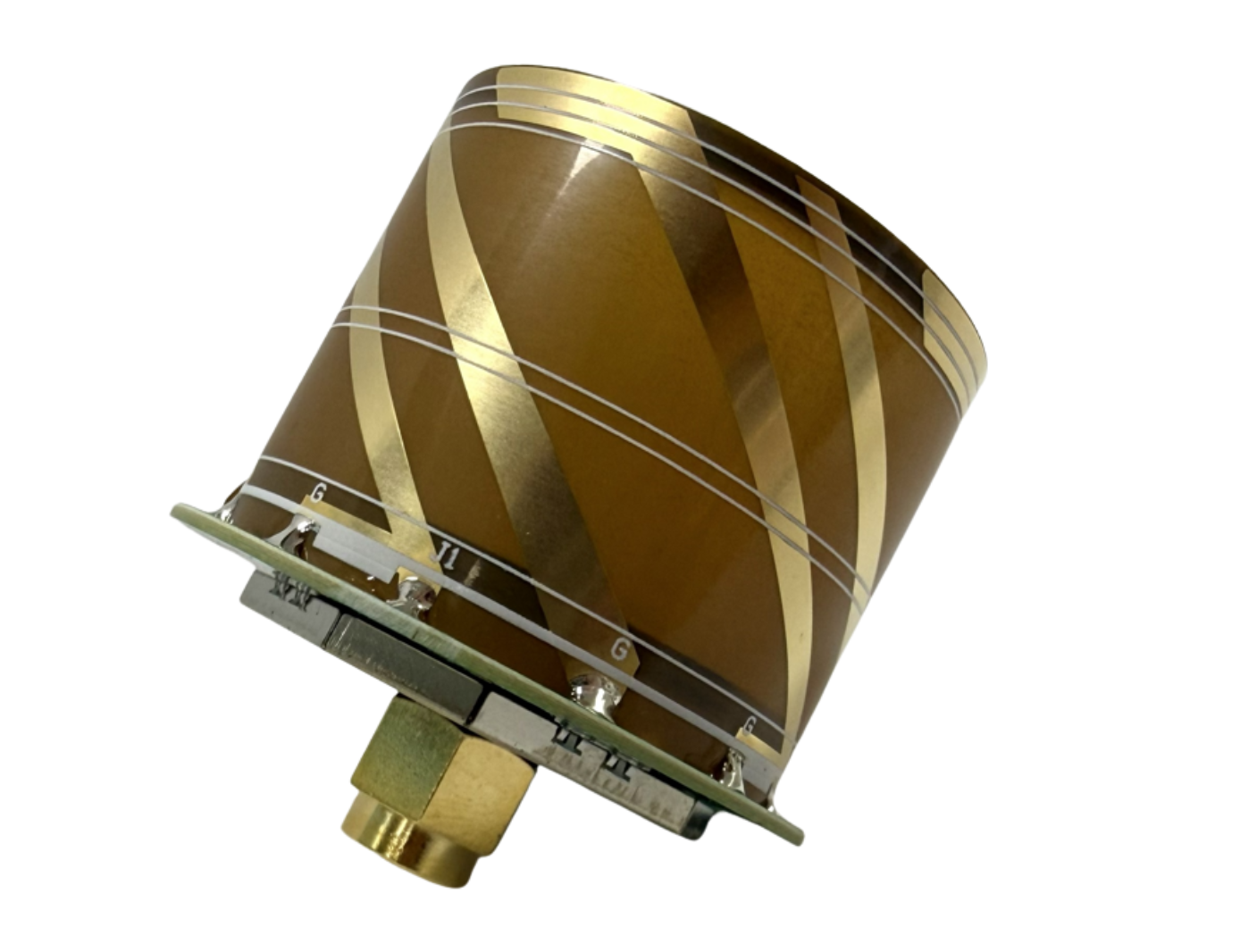
CZ0069-6G01
The lightest way to add centimetre positioning: the LITE helical, enclosure-free for embedded designs.
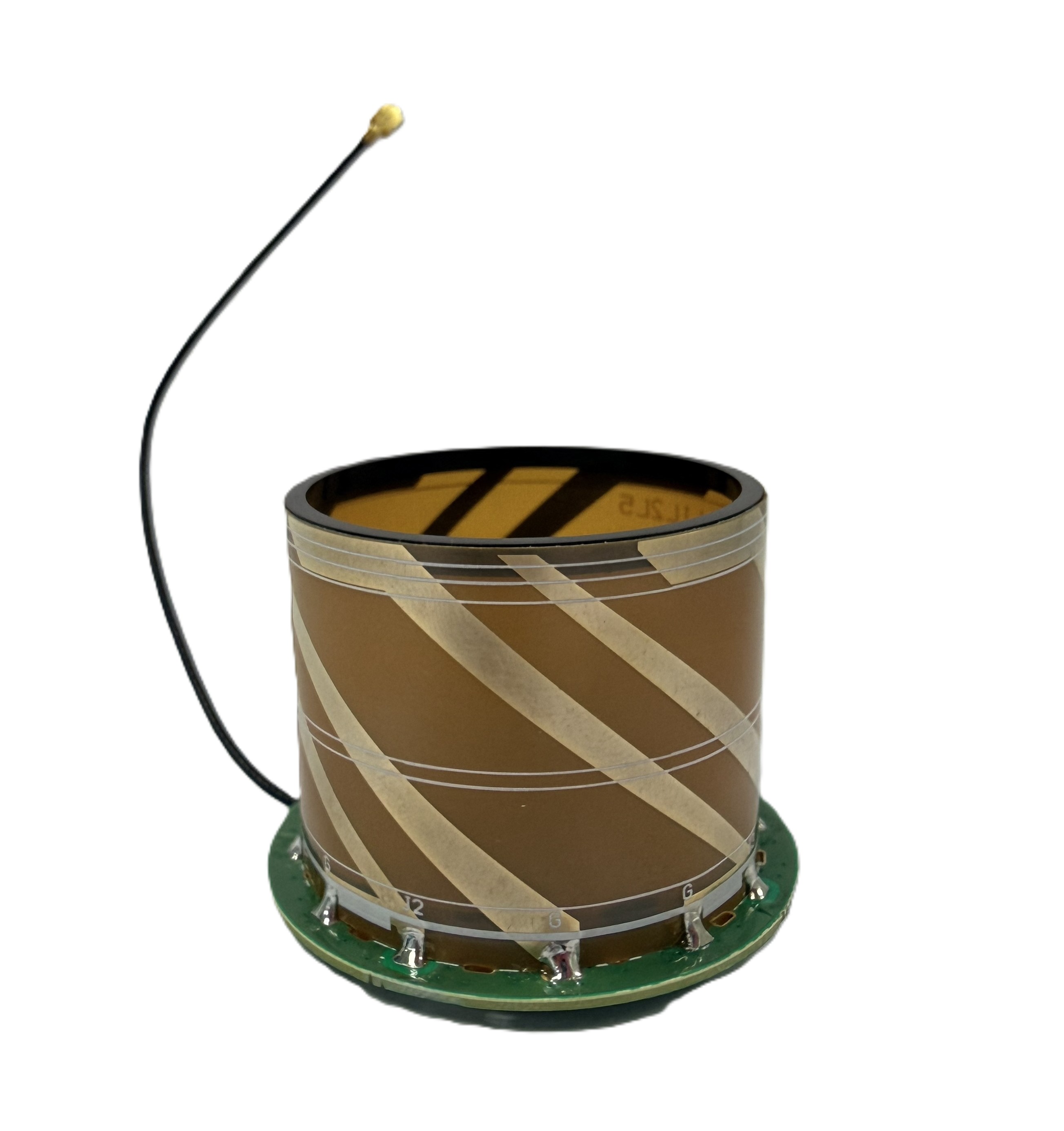
SZA-N-6G59
A compact active quadrifilar helical GNSS antenna module built for OEM integration into RTK and other precision positioning equipment
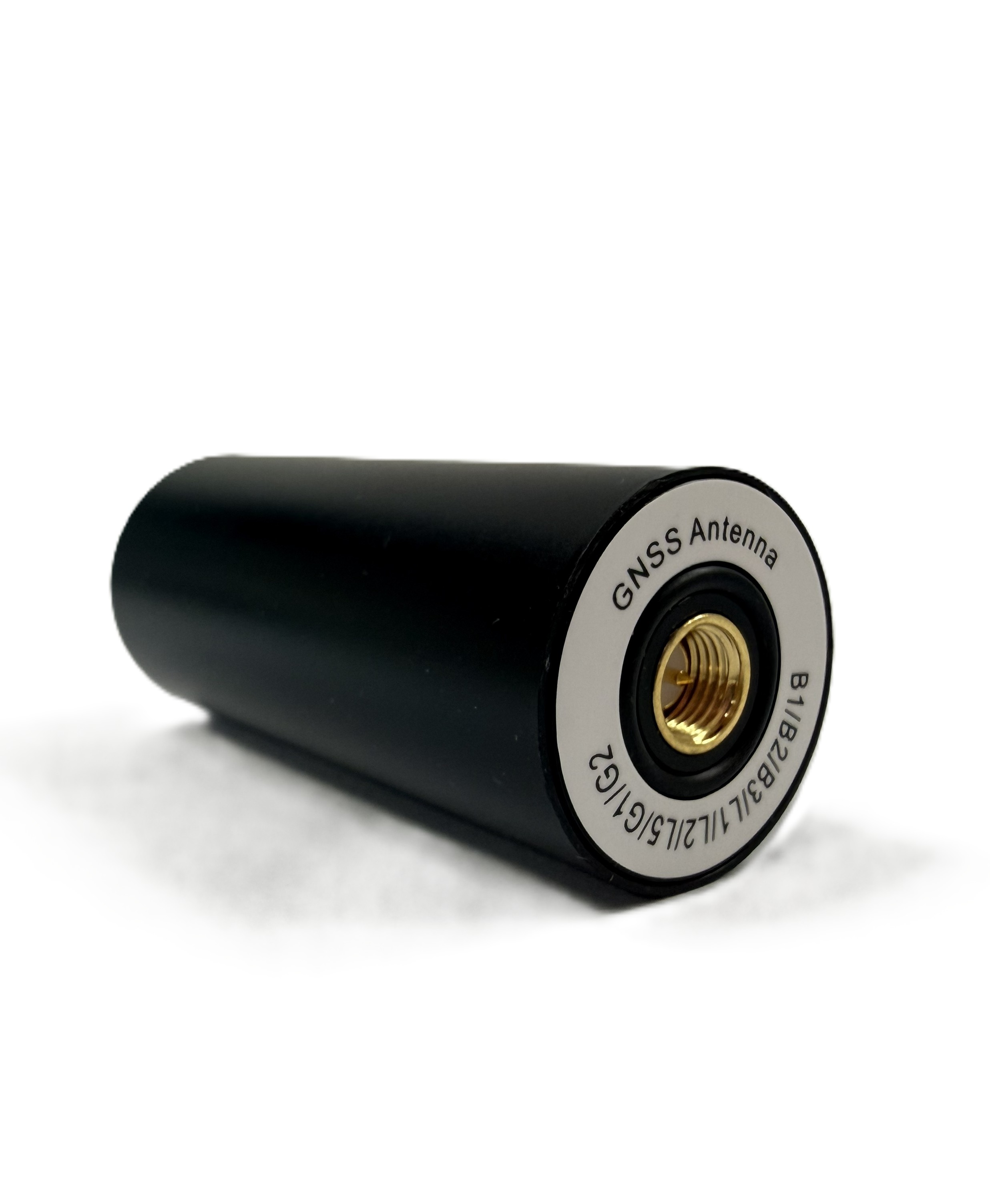
SZA-N-6G56
A compact active Quadrifilar Helical Antenna (QHA) for GPS, GLONASS and BDS, covering L1, L2 and L5
Four antenna characteristics separate an RTK-grade antenna from an ordinary GNSS antenna.
The phase centre is the point in space where the antenna effectively receives the signal. If it moves as satellites change elevation and azimuth, that movement appears in your position solution as error. RTK-grade antennas are designed so the phase centre stays put, within millimetres, across the whole sky.
Signals that bounce off the ground, buildings or the vehicle itself arrive late and corrupt the carrier phase measurement. An RTK antenna rejects these reflected, reverse-polarised signals at the antenna itself, measured by axial ratio across the whole operating elevation range, not only at zenith.
The satellites that improve your position geometry most are often near the horizon and hardest to receive. An antenna that holds gain and polarisation purity at low elevation fixes faster and stays fixed in urban canyons and treelined field edges.
The low noise amplifier must add minimal noise while rejecting out-of-band interference, particularly from cellular bands adjacent to GNSS frequencies. On a drone or robot the antenna also has to coexist with the platform's own radios.
A patch antenna is flat and relies on a ground plane beneath it to shape its pattern. Given a generous, stable ground plane, a survey-grade patch performs superbly, which is why reference stations and vehicle roofs favour them. On a small platform, however, the ground plane is never generous or stable, and patch performance becomes unpredictable.
A helical antenna generates clean circular polarisation from its own geometry and needs no ground plane at all. In a quadrifilar helical, four spiral elements are fed in phase quadrature, which is what produces the circular polarisation, so the pattern belongs to the antenna itself and not to whatever metal happens to sit beneath it. It is light, narrow and tolerant of its surroundings, which is why helicals dominate UAV, handheld and robotics applications.
The practical rule: if your platform is small, weight-limited, or cannot offer a proper ground plane, a helical antenna is almost always the right answer. If you are unsure which side of that line your product sits on, send us your mechanical drawing and we will tell you.
| Patch | Helical | |
|---|---|---|
| Ground plane | Needs a large, stable one | None needed |
| Suits | Reference stations, vehicle roofs, large equipment | UAVs, handhelds, robots, compact trackers |
| Size and weight | Flat, but the ground plane adds area and mass | Narrow and light |
| On a small platform | Pattern depends on a ground plane you cannot guarantee | Pattern set by the antenna's own geometry |
Weight is flight time. A light RTK helical delivers survey-grade positioning without the ground plane a patch demands, and holds its pattern through pitch and roll.

Mowers, delivery robots and agricultural robots need positions that are repeatable in environments full of reflections. Dual-antenna configurations add precise heading.

Rover poles and portable receivers demand the tightest phase centre specifications in the industry, plus calibration data. [FILL: ANTEX availability.]

Autosteer and implement control run for a decade in dust, spray and vibration. Longevity of supply matters as much as performance.
RTK grew up on survey poles under open sky. It now has to work inside drone frames, robots and trackers, surrounded by metal, batteries and radios. Why the antenna became the hardest component in the system, and what that means for the way compact RTK products are specified.
If you are migrating from another supplier's antenna, whether for performance, availability or sourcing reasons, the work is rarely a pure drop-in swap, but it is smaller than most teams fear when it is planned. What typically needs checking: mechanical fit and connector, LNA gain and current draw against your receiver, phase centre behaviour in your position solution, and RF coexistence inside your enclosure.
SynZen supports migrations directly. We will recommend the nearest equivalent from our range, advise on what changes, and where needed test the antenna in your enclosure in our OTA chamber before you commit.
An antenna datasheet describes the antenna alone. Your product's performance depends on the antenna in your enclosure, next to your electronics, on your platform. SynZen's engineering services cover integration review, RF optimisation, OTA chamber testing and pre-certification support, from first concept through to production.
Typically 1 to 2 cm horizontal plus a small distance-dependent term, under open sky with a fixed solution. Real-world accuracy depends on the environment, the correction link and, substantially, the antenna.
New designs should specify one. Triple-band receivers fix faster and resist interference better, and the antenna should not be the component that blocks a future receiver upgrade.
For phase centre stability and multipath rejection on a small platform, a well-designed quadrifilar helical is hard to beat. A patch with a large ground plane keeps its advantages where that ground plane exists, such as reference stations and vehicle roofs, so the right choice depends on your platform.
No. A quadrifilar helical antenna generates clean circular polarisation from its own geometry and needs no ground plane, which is why helicals dominate UAV, handheld and robotics applications.
Send us the current part number, your receiver, your application and your mechanical constraints. We will identify the closest match in our range, list what needs validating, and tell you plainly whether it fits as it is, needs an adapter, or would need a custom variant.
Start an RTK Conversation
Tell us about your product. We will recommend the right antenna, or engineer one that fits.
Contact Us
Please fill in the short form below for any enquiries.
